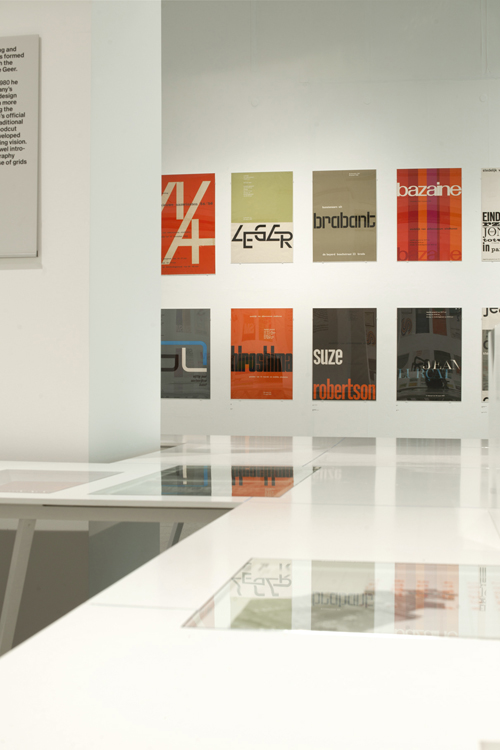
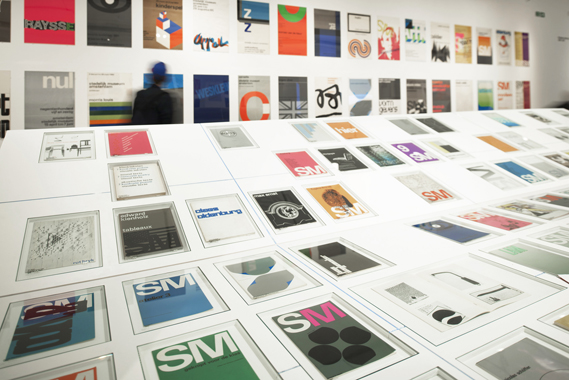
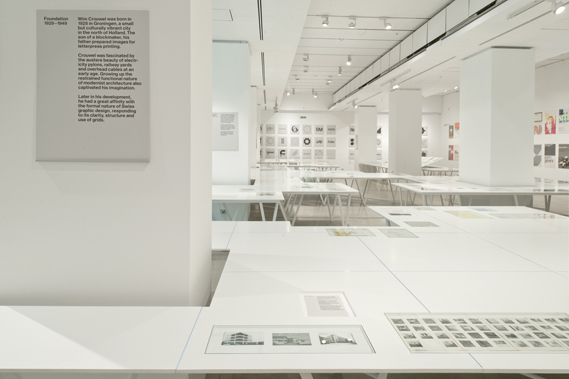
The Design Museum's excellent Wim Crouwel show is evidence of the reverence afforded to the Dutch designer in the UK, but why is he held in such high regard? And why now?
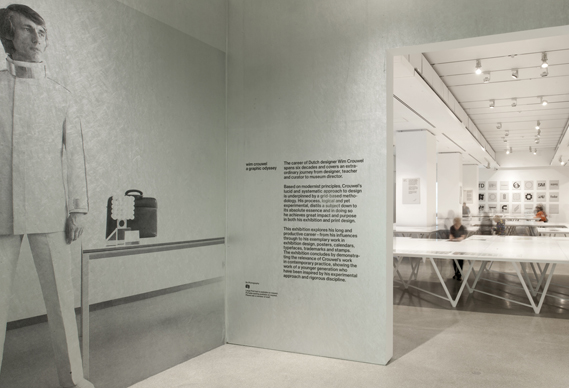
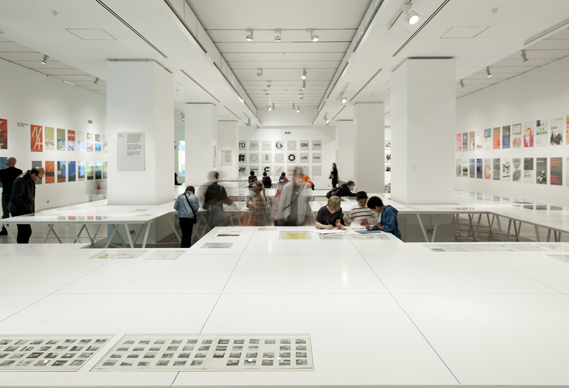
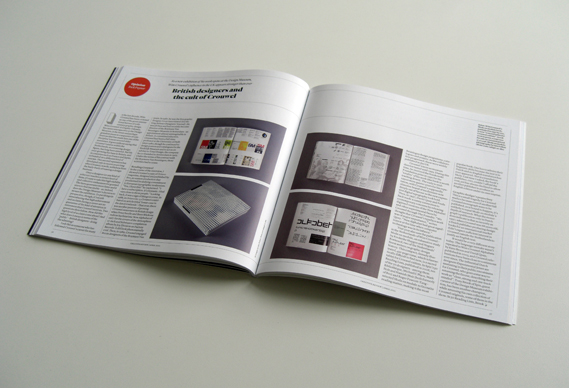
In terms of the sheer amount of work on show, Wim Crouwel A Graphic Odyssey is one of the biggest graphic design exhibitions seen in the UK. In the current issue of CR, Rick Poynor asks why Crouwel's influence in the UK is running so high:"What is it about Crouwel's work that has brought him so much to the fore of late?" Poynor asks in the piece. Subscribers to creative review can view the article here
"There is no question that Crouwel's work has great historical significance, above all in the Netherlands where he helped to define the visual landscape of his time," Poynor writes. "He is also the creator of some wonderful poster and catalogue designs that still look impressive. But he is not alone or even rare among designers in either of these achievements."
Poynor argues that the attraction of Crouwel's work for many today is purely stylistic: "The designers who applaud him now tend, like Crouwel himself, to put most emphasis on typography. They like visual rigour, precision, purity of form and dynamically balanced structure. They like systems and visual programmes that impose order and consistency ...
The history of mid-century European modernism enthrals and inspires them, but more as an imaginary utopia of style than as an ideal of how a reformed visual realm based on modernism could embody a radically new polity."
Poynor goes on to argue that "the current wave of Crouwel adulation" ignores some problematic aspects of his work, specifically his ideal of graphic clarity and neutrality. "I was always saying that the designer should not be too visible," Crouwel had once told Poynor. "He should not stand between the receiver and the sender. But I realised afterwards that I was always there - but never in my ideas. There is a kind of contradiction."
"It makes no sense to fetishise Crouwel or other modernists whose work 50 years ago was a response to conditions of rapid economic development in European social democracies," Poynor argues in CR. "And it would be even more misguided to treat his archive as a ransackable storehouse of fashionable stylistic effects. These views of Crouwel, coming from non-Dutch devotees, misinterpret both his national context and his intentions. We should study his example, and study design's past, the better to understand where design is now."
Rick Poynor also writes about Crouwel here on Design Observer